
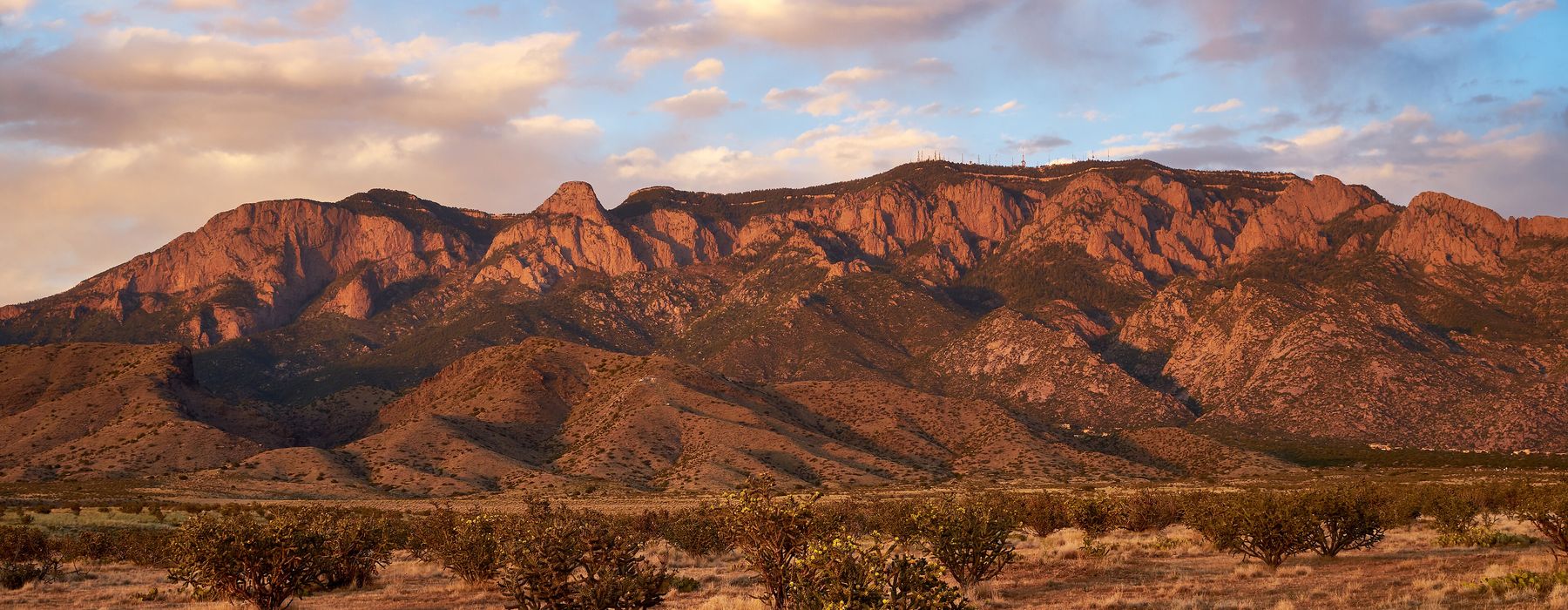
Insulated glass is sealed at the air pressure of the factory where it is built. When windows ship over a mountain pass or are installed at high elevation, the air outside gets thinner while the air sealed between the panes stays the same. That pressure difference pushes the glass outward.[1][2] Climate Solutions Windows & Doors builds every window in Franklin Park, Illinois, at about 631 ft. We plan for altitude from the start, with capillary tubes and a route check, so windows arrive flat and stay that way in mountain towns from Albuquerque to Asheville.
- Altitude matters twice: crossing a mountain pass on the truck, and living at a high-elevation job site.
- Cardinal, our glass supplier, flags shipments to altitudes above 3,000 ft for review.[3]
- For those jobs we add capillary tubes. They let the glass unit equalize to local air pressure, so the glass stays flat and the seal is protected.[1][4]
- Every window we ship is argon-filled, including units with capillary tubes. See how that works.
- Use the route checker below to see the highest point a truck will cross on the way to your job, then check your glass sizes against the altitude limit charts.
Check the highest point on a delivery route
Enter the delivery address, city and state, or ZIP code. The checker maps a likely truck route from our Franklin Park factory, then shows the highest elevation along the way, where it is, and a full elevation profile. Dealers, builders, and our own sales team can use it while quoting.
Move along the profile to follow the route on the map.
Routes come from openrouteservice’s heavy-truck profile on OpenStreetMap data.[11] Elevations come from a terrain model and are accurate to within roughly 100 ft. Tunnel sections use the portal elevations, not the mountain above. Carriers can choose a different route, so treat the result as a planning guide.
Why altitude affects insulated glass
An insulated glass unit is a flexible pressure chamber. It holds the pressure, elevation, and temperature of the plant at the moment it was sealed.[2] At higher elevations the outside pressure drops, so the panes bow outward like a pillow. A large change puts stress on the glass and the edge seal, which is why altitude needs a plan.[1][5] Weather and temperature swings add smaller loads of their own.[2]
The table shows the starting pressure difference for a unit sealed at our factory. The values come from the standard atmosphere model at equal temperature.[8] The glass flexes and takes up part of that load.
| Location | Elevation | Outside air pressure | Difference vs. 631 ft | Same load as |
|---|---|---|---|---|
| Asheville, NC | 2,127 ft | 13.6 psi | 0.8 psi | 110 lb/sq ft |
| Sams Gap, I-26 (NC/TN) | 3,760 ft | 12.8 psi | 1.6 psi | 224 lb/sq ft |
| Albuquerque, NM | 4,955 ft | 12.2 psi | 2.1 psi | 305 lb/sq ft |
| Denver, CO | 5,276 ft | 12.1 psi | 2.3 psi | 326 lb/sq ft |
| Sherman Summit, I-80 (WY) | 8,640 ft | 10.7 psi | 3.7 psi | 535 lb/sq ft |
| Eisenhower Tunnel, I-70 (CO) | 11,158 ft | 9.7 psi | 4.7 psi | 677 lb/sq ft |
Altitude pressure calculator
Shipping vs. installing at altitude
In transit: crossing a pass is a short trip up and back down. Framed glass flexes and recovers as the truck comes back down. Units should be packed so neighboring glass can’t touch while it is bowed.
At the job site: the window lives at that elevation for decades, so the pressure difference is permanent. Long-term installations at altitude are the main reason capillary tubes exist.[1]
Which units are most sensitive?
Two things raise the stress from a pressure change: a small glass size and thicker glass. Small units cannot flex much, so more of the load lands on the edge seal. Thicker glass is stiffer and also loads the seal more. Transoms, sidelites, and small fixed lites get checked first.[9]
We use Cardinal glass in these thicknesses:[4]
| Glass thickness | Also called | Used in |
|---|---|---|
| 2.5 mm | Single-strength | Reference only (we don’t use it) |
| 3.1 mm | Double-strength, 1/8 in | Windows |
| 3.9 mm | 5/32 in | Sliding patio doors |
| 4.7 mm | 3/16 in | Windows |
| 6.0 mm | Laminated | Laminated windows |
Altitude limit charts
Use these charts to see which units can cross a pass, or be installed at an elevation, without capillary tubes. Find the shortest side of the glass, round it down to the nearest row, and read across to the glass thickness. Above the limit shown, plan capillary tubes for that unit.
Ship-through limit (feet): a short exposure while crossing a mountain pass.
| Shortest glass dimension | 3.0 mm | 3.9 mm | 5.7 mm |
|---|---|---|---|
| Our 3.1 mm windows (and 2.5 mm reference) | Our 3.9 mm sliding doors | Our 4.7 mm and 6 mm laminated windows | |
| 12″ | 6,000 | 5,000 | 4,000 |
| 16″ | 7,000 | 6,000 | 4,000 |
| 18″ | 7,000 | 7,000 | 4,000 |
| 20″ | 8,000 | 7,000 | 5,000 |
| 24″ | 9,000 | 8,000 | 6,000 |
| 30″ | 10,000 | 10,000 | 8,000 |
| 36″ | 10,000 | 10,000 | 10,000 |
| 42″ | 10,000 | 10,000 | 10,000 |
| 48″ | 10,000 | 10,000 | 10,000 |
Installation limit (feet): permanent exposure at the job site. These values assume a worst case of summer heat, weathered glass, and a long-term load. Annealed glass limits are lower than the ship-through limits. Tempered glass is stronger, so its limits are higher.
| Shortest glass dimension | 3.0 mm | 3.9 mm | 5.7 mm | |||
|---|---|---|---|---|---|---|
| Our 3.1 mm windows (and 2.5 mm reference) | Our 3.9 mm sliding doors | Our 4.7 mm and 6 mm laminated windows | ||||
| Annealed | Tempered | Annealed | Tempered | Annealed | Tempered | |
| 12″ | 5,000 | 5,000 | 4,000 | 4,000 | 4,000 | 4,000 |
| 16″ | 5,000 | 7,000 | 5,000 | 5,000 | 4,000 | 4,000 |
| 18″ | 5,000 | 8,000 | 5,000 | 6,000 | 4,000 | 4,000 |
| 20″ | 6,000 | 9,000 | 5,000 | 7,000 | 4,000 | 4,000 |
| 24″ | 7,000 | 10,000 | 6,000 | 8,000 | 5,000 | 5,000 |
| 30″ | 9,000 | 10,000 | 7,000 | 10,000 | 6,000 | 7,000 |
| 36″ | 10,000 | 10,000 | 9,000 | 10,000 | 7,000 | 9,000 |
| 42″ | 10,000 | 10,000 | 10,000 | 10,000 | 9,000 | 10,000 |
| 48″ | 10,000 | 10,000 | 10,000 | 10,000 | 10,000 | 10,000 |
Example: a 17″ × 54″ window with 3.1 mm glass uses the 16″ row, so it can cross passes up to 7,000 ft as built. A 19″ × 36″ unit with 3.1 mm tempered glass uses the 18″ row, so it can be installed up to 8,000 ft.
These are reference values for dual-pane insulated glass. The 3.0 mm column is nominal 1/8-in double-strength glass, which is our 3.1 mm glass. 2.5 mm single-strength is thinner and flexes more, so reading it from the 3.0 mm column is on the safe side. 4.7 mm and 6 mm laminated read from the 5.7 mm column, the thickest reference value. Treat the charts as a planning guide and confirm borderline units while you quote.
Capillary tubes vs. breather tubes
Capillary tubes: what we use
A capillary tube is a very thin stainless steel or aluminum tube, about 12 inches long, with an opening of only 0.010 to 0.020 inches. It runs through the edge seal into the space between the panes.[1]
- Lets the unit slowly equalize to the local air pressure, so the glass stays flat instead of bowing.[1][4]
- Takes the altitude load off the glass and the edge seal.[4][5]
- Cuts the reflection distortion that bowed glass causes.[2]
- Works on its own. Most equalization happens within about 48 hours.[1]
- The method Cardinal recommends for high-altitude applications.[1]
Breather tubes: what we don’t use
A breather tube is a much larger tube, about 1/8 inch across and 3 to 6 inches long. It equalizes the unit fast during shipping, but someone has to seal it by hand at the job site.[1]
That field step is easy to miss, and an open tube that size lets the unit breathe outside air. Cardinal does not recommend breather tubes, and Climate Solutions does not use them. We use capillary tubes only.[1]
Argon fill at altitude: what you actually get
Every window we ship is filled with argon, including units with capillary tubes. As a capillary-tube unit equalizes during shipping and at the job site, some of that argon can escape, but the unit keeps part of it. So you keep part of the thermal benefit.
Our argon ratings require a 95% argon fill. A capillary-tube unit can’t guarantee 95% after it equalizes, so we rate and label it without argon credit, the conservative way. The argon that stays in the glass is a bonus. In most cases, a Climate Solutions window at altitude performs better than the rating on its label.
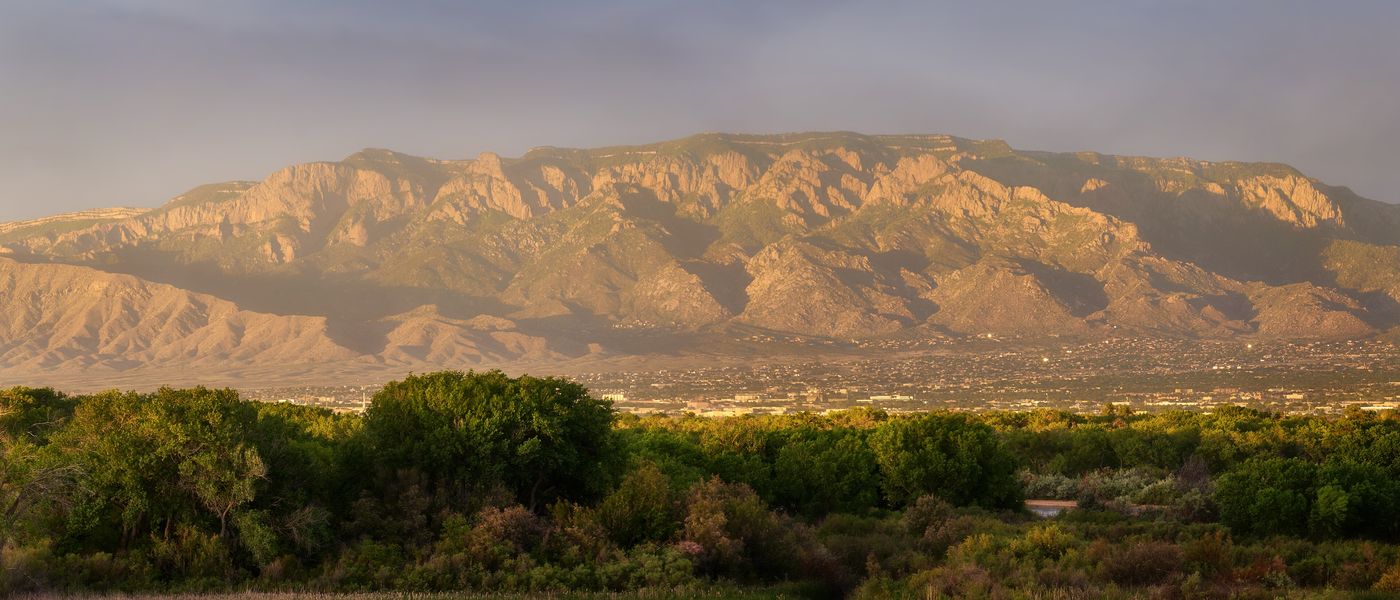
High-altitude cities in the lower 48
The map shows every incorporated U.S. city or town in the lower 48 with at least 10,000 residents and an elevation of 2,000 ft or more. That is 277 cities: 214 are above 3,000 ft and 168 are above 4,000 ft. Triangles mark the highest points on major freight routes. Click a marker for details, or use the boxes to turn each elevation band on or off.
Population figures are U.S. Census Bureau Vintage 2025 estimates.[7] Elevations come from the USGS 3D Elevation Program at each city’s official USGS place point.[6] Unincorporated communities are not included. Elevation varies across a city, so check the actual job site with the route checker above.
See all 277 cities in a sortable table
| City | State | Elevation (ft) | Population (2025 est.) |
|---|---|---|---|
| Laramie | WY | 7,165 | 32,284 |
| Santa Fe | NM | 6,997 | 89,837 |
| Monument | CO | 6,978 | 13,813 |
| Flagstaff | AZ | 6,900 | 77,260 |
| Evanston | WY | 6,750 | 11,705 |
| Steamboat Springs | CO | 6,731 | 13,557 |
| Castle Pines | CO | 6,559 | 15,583 |
| Durango | CO | 6,534 | 19,733 |
| Gallup | NM | 6,509 | 19,969 |
| Las Vegas | NM | 6,426 | 12,574 |
| Rock Springs | WY | 6,388 | 22,936 |
| Show Low | AZ | 6,331 | 12,471 |
| South Lake Tahoe | CA | 6,238 | 21,115 |
| Jackson | WY | 6,238 | 10,720 |
| Castle Rock | CO | 6,218 | 83,815 |
| Green River | WY | 6,105 | 11,450 |
| Cheyenne | WY | 6,091 | 66,507 |
| Colorado Springs | CO | 6,009 | 494,743 |
| Lone Tree | CO | 5,997 | 15,278 |
| Parker | CO | 5,871 | 65,985 |
| Cedar City | UT | 5,845 | 41,871 |
| Centennial | CO | 5,841 | 108,658 |
| Truckee | CA | 5,817 | 17,278 |
| Montrose | CO | 5,809 | 21,583 |
| Glenwood Springs | CO | 5,762 | 10,395 |
| Golden | CO | 5,673 | 20,390 |
| Heber City | UT | 5,602 | 19,651 |
| Española | NM | 5,587 | 10,458 |
| Fountain | CO | 5,543 | 29,450 |
| Butte | MT | 5,535 | 35,469 |
| Lakewood | CO | 5,520 | 156,927 |
| Superior | CO | 5,498 | 13,637 |
| Greenwood Village | CO | 5,470 | 15,323 |
| Wheat Ridge | CO | 5,460 | 32,081 |
| Aurora | CO | 5,405 | 410,053 |
| Broomfield | CO | 5,391 | 79,174 |
| Westminster | CO | 5,382 | 116,182 |
| Prescott | AZ | 5,371 | 48,420 |
| Englewood | CO | 5,371 | 35,305 |
| Northglenn | CO | 5,367 | 38,893 |
| Littleton | CO | 5,351 | 46,246 |
| Cañon City | CO | 5,350 | 17,030 |
| Arvada | CO | 5,349 | 122,901 |
| Rifle | CO | 5,347 | 10,844 |
| Thornton | CO | 5,347 | 147,766 |
| Louisville | CO | 5,336 | 20,581 |
| Vernal | UT | 5,332 | 10,671 |
| Hailey | ID | 5,325 | 10,053 |
| Boulder | CO | 5,319 | 105,689 |
| Federal Heights | CO | 5,301 | 14,075 |
| Farmington | NM | 5,298 | 46,055 |
| Rio Rancho | NM | 5,277 | 114,419 |
| Denver | CO | 5,276 | 740,613 |
| Lafayette | CO | 5,210 | 30,116 |
| Wellington | CO | 5,207 | 12,169 |
| Commerce City | CO | 5,159 | 72,345 |
| Casper | WY | 5,104 | 58,771 |
| Elko | NV | 5,067 | 21,019 |
| Tooele | UT | 5,045 | 42,270 |
| Berthoud | CO | 5,034 | 14,080 |
| Erie | CO | 5,027 | 40,904 |
| Prescott Valley | AZ | 5,015 | 52,423 |
| Fort Collins | CO | 5,004 | 171,500 |
| Cody | WY | 5,000 | 10,377 |
| Brighton | CO | 4,986 | 45,395 |
| Loveland | CO | 4,986 | 81,387 |
| Frederick | CO | 4,980 | 18,241 |
| Longmont | CO | 4,980 | 100,109 |
| Highland | UT | 4,976 | 21,571 |
| Santaquin | UT | 4,971 | 18,989 |
| Firestone | CO | 4,970 | 20,129 |
| Albuquerque | NM | 4,955 | 556,588 |
| Riverton | WY | 4,952 | 10,910 |
| Alpine | UT | 4,951 | 10,444 |
| Herriman | UT | 4,947 | 63,282 |
| Payson | AZ | 4,915 | 16,693 |
| Fort Lupton | CO | 4,906 | 10,402 |
| Severance | CO | 4,891 | 11,841 |
| Eagle Mountain | UT | 4,887 | 66,557 |
| Timnath | CO | 4,866 | 11,600 |
| Rexburg | ID | 4,865 | 40,334 |
| Los Lunas | NM | 4,854 | 20,572 |
| Johnstown | CO | 4,853 | 22,433 |
| Cottonwood Heights | UT | 4,827 | 32,265 |
| Bozeman | MT | 4,811 | 58,814 |
| Windsor | CO | 4,796 | 43,840 |
| Orem | UT | 4,773 | 95,214 |
| Mapleton | UT | 4,730 | 16,275 |
| Ammon | ID | 4,717 | 20,119 |
| Chino Valley | AZ | 4,712 | 13,832 |
| Idaho Falls | ID | 4,707 | 71,785 |
| Hyrum | UT | 4,701 | 11,132 |
| North Logan | UT | 4,699 | 11,608 |
| Pueblo | CO | 4,693 | 110,404 |
| Carson City | NV | 4,680 | 58,571 |
| Greeley | CO | 4,674 | 115,073 |
| Payson | UT | 4,657 | 24,630 |
| Evans | CO | 4,652 | 22,500 |
| Lindon | UT | 4,644 | 12,015 |
| Sierra Vista | AZ | 4,637 | 44,907 |
| Pleasant Grove | UT | 4,631 | 37,773 |
| Salem | UT | 4,610 | 12,234 |
| American Fork | UT | 4,605 | 41,020 |
| Smithfield | UT | 4,605 | 15,153 |
| Grand Junction | CO | 4,591 | 71,827 |
| Springville | UT | 4,581 | 35,670 |
| Spanish Fork | UT | 4,577 | 48,837 |
| Lehi | UT | 4,568 | 95,313 |
| Gillette | WY | 4,554 | 34,024 |
| Provo | UT | 4,553 | 114,527 |
| Roy | UT | 4,541 | 38,794 |
| Kearns | UT | 4,532 | 35,404 |
| Logan | UT | 4,532 | 55,576 |
| Vineyard | UT | 4,525 | 16,092 |
| Fruita | CO | 4,512 | 14,003 |
| Reno | NV | 4,505 | 283,621 |
| Draper | UT | 4,502 | 50,652 |
| Blackfoot | ID | 4,500 | 13,361 |
| Saratoga Springs | UT | 4,498 | 61,397 |
| North Ogden | UT | 4,495 | 21,689 |
| Clearfield | UT | 4,475 | 35,144 |
| Chubbuck | ID | 4,469 | 16,823 |
| Holladay | UT | 4,465 | 31,162 |
| Sandy | UT | 4,465 | 92,386 |
| Pocatello | ID | 4,464 | 58,771 |
| Belgrade | MT | 4,457 | 13,107 |
| South Ogden | UT | 4,456 | 17,710 |
| South Jordan | UT | 4,443 | 87,614 |
| Bluffdale | UT | 4,439 | 19,506 |
| Riverton | UT | 4,439 | 47,395 |
| Brigham City | UT | 4,436 | 20,633 |
| Sparks | NV | 4,413 | 111,902 |
| Clinton | UT | 4,397 | 23,797 |
| Pleasant View | UT | 4,394 | 11,423 |
| Midvale | UT | 4,383 | 36,099 |
| Bountiful | UT | 4,374 | 44,988 |
| Woods Cross | UT | 4,374 | 11,429 |
| West Jordan | UT | 4,373 | 116,812 |
| Centerville | UT | 4,371 | 16,480 |
| Kaysville | UT | 4,354 | 33,307 |
| Layton | UT | 4,350 | 85,308 |
| Deming | NM | 4,342 | 14,944 |
| North Salt Lake | UT | 4,338 | 23,588 |
| Alamogordo | NM | 4,336 | 31,906 |
| Fort Morgan | CO | 4,327 | 11,841 |
| Tremonton | UT | 4,322 | 12,934 |
| West Point | UT | 4,315 | 13,058 |
| Grantsville | UT | 4,308 | 16,472 |
| West Valley City | UT | 4,306 | 137,491 |
| Farmington | UT | 4,305 | 26,266 |
| Ogden | UT | 4,303 | 89,510 |
| Murray | UT | 4,302 | 53,297 |
| Taylorsville | UT | 4,300 | 57,484 |
| Millcreek | UT | 4,285 | 63,926 |
| Syracuse | UT | 4,284 | 39,909 |
| Magna | UT | 4,279 | 35,401 |
| West Haven | UT | 4,272 | 25,627 |
| Clovis | NM | 4,268 | 37,127 |
| Salt Lake City | UT | 4,264 | 218,428 |
| South Salt Lake | UT | 4,256 | 26,934 |
| Susanville | CA | 4,194 | 12,816 |
| Burley | ID | 4,164 | 12,409 |
| Fernley | NV | 4,154 | 26,214 |
| Klamath Falls | OR | 4,107 | 22,111 |
| Helena | MT | 4,048 | 35,138 |
| Horizon City | TX | 4,024 | 25,118 |
| Douglas | AZ | 4,008 | 16,038 |
| Portales | NM | 4,007 | 11,734 |
| Tehachapi | CA | 3,972 | 11,852 |
| Sterling | CO | 3,938 | 13,054 |
| Las Cruces | NM | 3,910 | 116,978 |
| Lovington | NM | 3,909 | 11,620 |
| Scottsbluff | NE | 3,888 | 14,259 |
| Nogales | AZ | 3,832 | 19,495 |
| Hereford | TX | 3,816 | 14,976 |
| Sunland Park | NM | 3,806 | 18,268 |
| Jerome | ID | 3,765 | 13,731 |
| Sheridan | WY | 3,748 | 20,015 |
| Twin Falls | ID | 3,733 | 56,216 |
| El Paso | TX | 3,713 | 683,012 |
| Amarillo | TX | 3,670 | 205,130 |
| Dumas | TX | 3,659 | 14,862 |
| Socorro | TX | 3,659 | 38,787 |
| San Elizario | TX | 3,646 | 10,138 |
| Spearfish | SD | 3,642 | 14,154 |
| Bend | OR | 3,625 | 107,342 |
| Hobbs | NM | 3,622 | 40,863 |
| Roswell | NM | 3,574 | 46,878 |
| Canyon | TX | 3,543 | 16,518 |
| Levelland | TX | 3,517 | 12,513 |
| Baker City | OR | 3,446 | 10,071 |
| Artesia | NM | 3,388 | 12,735 |
| Plainview | TX | 3,363 | 19,314 |
| Yucca Valley | CA | 3,361 | 21,887 |
| Kingman | AZ | 3,351 | 35,829 |
| Great Falls | MT | 3,329 | 60,208 |
| Cottonwood | AZ | 3,324 | 12,709 |
| Rapid City | SD | 3,243 | 80,589 |
| Hurricane | UT | 3,241 | 25,745 |
| Pampa | TX | 3,238 | 16,414 |
| Boone | NC | 3,218 | 19,929 |
| Missoula | MT | 3,208 | 78,903 |
| Lubbock | TX | 3,203 | 273,071 |
| Hesperia | CA | 3,178 | 102,605 |
| Andrews | TX | 3,176 | 13,665 |
| Camp Verde | AZ | 3,150 | 12,581 |
| Mountain Home | ID | 3,144 | 16,779 |
| Guymon | OK | 3,123 | 12,241 |
| Billings | MT | 3,122 | 121,239 |
| Carlsbad | NM | 3,108 | 32,524 |
| Ivins | UT | 3,078 | 11,546 |
| Borger | TX | 3,077 | 11,842 |
| Box Elder | SD | 3,032 | 13,936 |
| Redmond | OR | 3,000 | 38,547 |
| Kalispell | MT | 2,955 | 31,851 |
| Apple Valley | CA | 2,945 | 75,247 |
| Safford | AZ | 2,917 | 10,279 |
| Odessa | TX | 2,898 | 122,707 |
| Prineville | OR | 2,880 | 11,994 |
| Adelanto | CA | 2,873 | 38,798 |
| Garden City | KS | 2,840 | 27,402 |
| Liberal | KS | 2,835 | 19,010 |
| North Platte | NE | 2,803 | 22,524 |
| Washington | UT | 2,791 | 37,107 |
| Midland | TX | 2,780 | 147,615 |
| La Grande | OR | 2,774 | 12,985 |
| Waynesville | NC | 2,748 | 11,006 |
| Victorville | CA | 2,722 | 141,395 |
| Sahuarita | AZ | 2,706 | 37,694 |
| Boise | ID | 2,700 | 238,429 |
| Kuna | ID | 2,698 | 31,525 |
| St. George | UT | 2,696 | 108,713 |
| Garden City | ID | 2,667 | 13,047 |
| Palmdale | CA | 2,658 | 161,845 |
| Yucaipa | CA | 2,625 | 54,953 |
| Beaumont | CA | 2,611 | 60,835 |
| Meridian | ID | 2,607 | 142,988 |
| Moscow | ID | 2,581 | 26,721 |
| Eagle | ID | 2,566 | 34,658 |
| Oro Valley | AZ | 2,534 | 48,085 |
| Nampa | ID | 2,522 | 120,384 |
| Boulder City | NV | 2,509 | 14,884 |
| Dodge City | KS | 2,492 | 27,653 |
| Tucson | AZ | 2,481 | 548,371 |
| Star | ID | 2,469 | 20,874 |
| Big Spring | TX | 2,435 | 22,290 |
| Beckley | WV | 2,420 | 16,373 |
| Grass Valley | CA | 2,412 | 14,035 |
| Dickinson | ND | 2,412 | 25,870 |
| California City | CA | 2,404 | 13,300 |
| Middleton | ID | 2,401 | 12,600 |
| Airway Heights | WA | 2,399 | 11,811 |
| Calimesa | CA | 2,398 | 11,111 |
| Lexington | NE | 2,392 | 11,176 |
| Caldwell | ID | 2,375 | 76,629 |
| Cheney | WA | 2,354 | 12,650 |
| Lancaster | CA | 2,352 | 170,084 |
| Banning | CA | 2,344 | 31,852 |
| Pullman | WA | 2,339 | 33,756 |
| Snyder | TX | 2,321 | 11,166 |
| Ridgecrest | CA | 2,294 | 28,333 |
| Hayden | ID | 2,286 | 17,363 |
| Rathdrum | ID | 2,206 | 13,227 |
| Coeur d'Alene | ID | 2,192 | 58,179 |
| Post Falls | ID | 2,180 | 46,715 |
| Barstow | CA | 2,174 | 24,804 |
| Sweetwater | TX | 2,171 | 10,141 |
| Hendersonville | NC | 2,156 | 15,867 |
| Ontario | OR | 2,154 | 11,957 |
| Kearney | NE | 2,152 | 34,782 |
| Asheville | NC | 2,127 | 93,523 |
| Sandpoint | ID | 2,101 | 10,645 |
| Christiansburg | VA | 2,086 | 22,442 |
| Blacksburg | VA | 2,075 | 45,104 |
| Liberty Lake | WA | 2,072 | 14,029 |
| Hays | KS | 2,024 | 21,258 |
| Spokane Valley | WA | 2,013 | 108,405 |
Shipping windows over the mountains
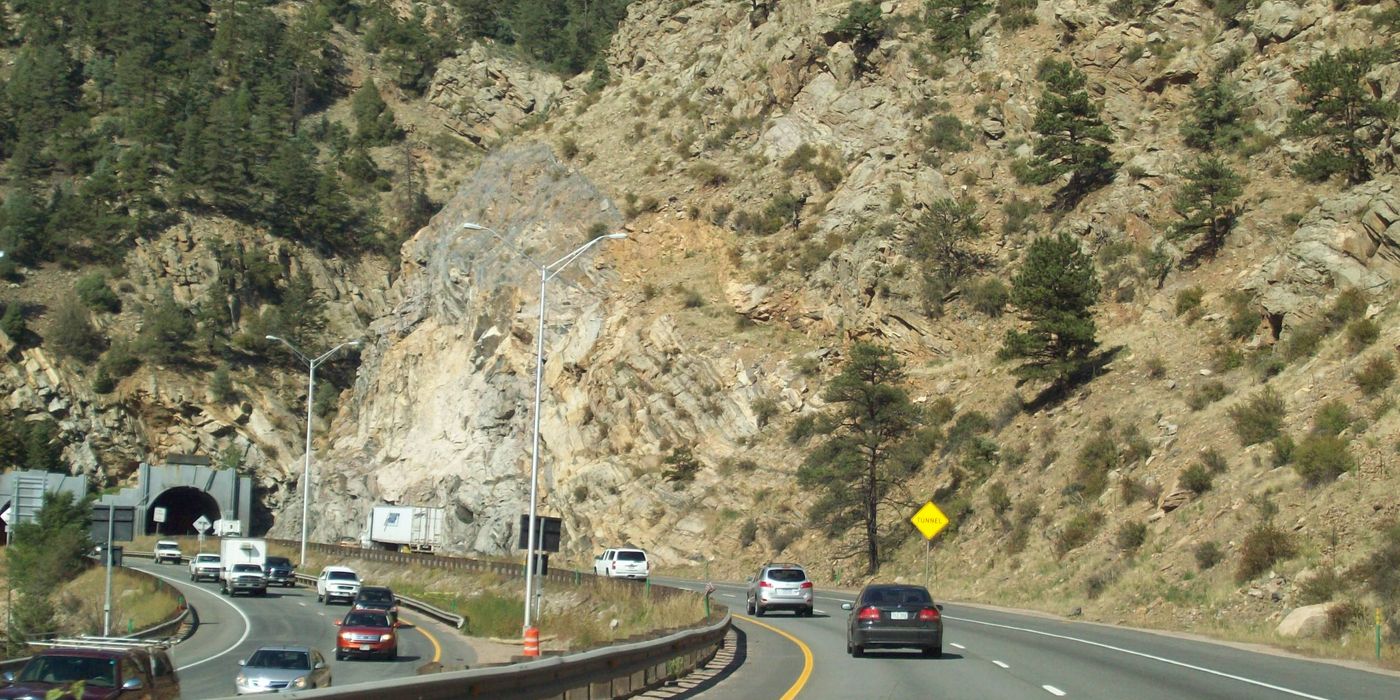
A window can be headed to a low-elevation job and still cross high ground on the way. Trucks heading west cross the Rockies, the Wasatch, and the Sierra Nevada. Trucks heading east cross the Appalachians. These are the highest points on the main freight routes:
| Pass / summit | Route | State | Elevation | Difference vs. 631 ft |
|---|---|---|---|---|
| Eisenhower–Johnson Memorial Tunnel | I-70 | CO | 11,158 ft[6] | 4.7 psi |
| Vail Pass | I-70 | CO | 10,662 ft[6] | 4.5 psi |
| Sherman Summit | I-80 | WY | 8,640 ft[10] | 3.7 psi |
| Raton Pass | I-25 | CO/NM | 7,834 ft[6] | 3.4 psi |
| Monument Hill | I-25 | CO | 7,352 ft[6] | 3.2 psi |
| Arizona Divide (near Flagstaff) | I-40 | AZ | 7,310 ft[6] | 3.2 psi |
| Donner Summit | I-80 | CA | 7,239 ft[6] | 3.1 psi |
| Parleys Summit | I-80 | UT | 7,120 ft[6] | 3.1 psi |
| Monida Pass | I-15 | MT/ID | 6,870 ft[6] | 3.0 psi |
| Homestake Pass | I-90 | MT | 6,329 ft[6] | 2.7 psi |
| Sams Gap | I-26 | NC/TN | 3,760 ft[6] | 1.6 psi |
| Fancy Gap (Blue Ridge) | I-77 | VA | 2,900 ft[6] | 1.1 psi |
| Swannanoa Gap (Eastern Continental Divide) | I-40 | NC | 2,786 ft[6] | 1.1 psi |
| Allegheny Mountain Tunnel | I-76 PA Turnpike | PA | 2,314 ft[6] | 0.9 psi |
| Highest point on I-80 east of the Mississippi | I-80 | PA | 2,250 ft[6] | 0.8 psi |
Elevations are published road-summit figures, checked against USGS elevation data.[6] For tunnels, the figure is the road at the tunnel portal, not the mountain above.
Does altitude matter on the East Coast?
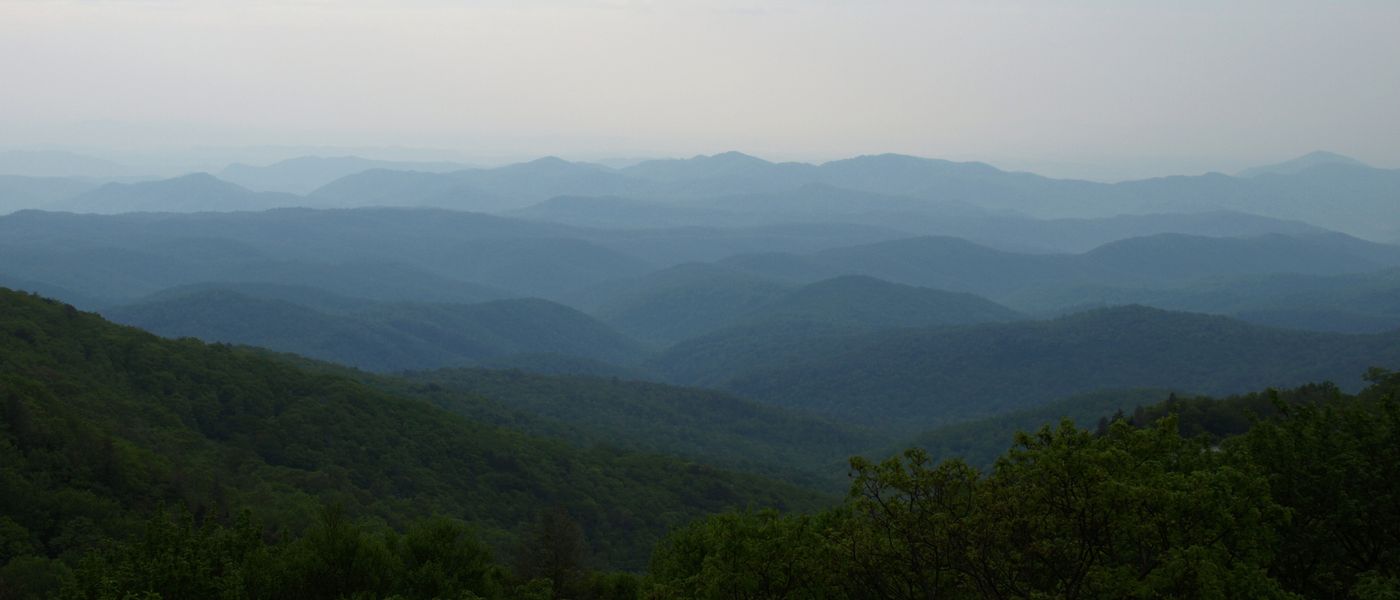
Yes. The Appalachians are lower than the Rockies, but I-26 at Sams Gap reaches about 3,760 ft. That is above the 3,000 ft level where Cardinal flags shipments for review.[3][6] Several eastern cities also sit well above 2,000 ft.
- Appalachian cities above 2,000 ft: Boone (3,218 ft), Waynesville (2,748 ft), Beckley (2,420 ft), Hendersonville (2,156 ft), Asheville (2,127 ft), Christiansburg (2,086 ft). Mountain towns and resort areas can sit higher still.
- The Plains climb steadily: Horizon City (4,024 ft), Scottsbluff (3,888 ft), Hereford (3,816 ft), El Paso (3,713 ft), Amarillo (3,670 ft), Dumas (3,659 ft).
- Small and thick units are checked first, wherever the job is.[9]
Ordering checklist for mountain and high-elevation jobs
- Run the delivery address through the route checker above.
- Note the job-site elevation and the highest point on the route.
- Check the smallest glass sizes and their thickness against the altitude limit charts.
- Plan capillary tubes for any unit above its limit. We go over this with you while you quote.
- Store units so the glass of neighboring units can’t touch until installation.
Frequently asked questions
At what elevation do windows need capillary tubes?
It depends on the glass size, the glass thickness, and the elevation. Small units with thicker glass reach their limit first, around 4,000 ft. Large units can go to about 10,000 ft. The altitude limit charts show where each size lands, and Cardinal flags anything above 3,000 ft for a closer look.[3]
Can windows be shipped over the Rocky Mountains?
Yes. Framed windows cross mountain passes routinely, and we check the route as well as the destination. I-70 reaches 11,158 ft at the Eisenhower Tunnel, so the route can matter more than the job site.[6]
Do capillary-tube windows still have argon?
Yes. Every unit is argon-filled at our factory. Some argon may escape as the unit equalizes, but the unit keeps part of it. We label these units without argon credit, so performance in most cases beats the label.
Why does glass look curved after a move to altitude?
A pressure difference bows the glass, and curved glass distorts reflections. A capillary tube lets the unit equalize, which reduces the bow.[1][2]
Quoting a mountain or high-elevation job?
Climate Solutions Windows & Doors builds custom vinyl windows and doors in Franklin Park, Illinois, for dealers and builders. We talk through altitude, capillary tubes, and argon with you before the sale, so every window is built for where it’s going.
Sources
- Cardinal IG, Technical Service Bulletin IG13: Capillary Tubes & Breather Tubes
- Cardinal IG, Technical Service Bulletin IG18: Distortion in Glass Products
- Cardinal IG, Technical Service Bulletin IG24: Insulating Glass Breakage
- Cardinal Glass Industries, Technical Glass Guide (2025): Glass Thickness Reference and High Altitude
- National Glass Association and FGIA, TB-1601 Guidelines for Use of Capillary Tubes
- U.S. Geological Survey, Elevation Point Query Service (3D Elevation Program)
- U.S. Census Bureau, City and Town Population Totals, Vintage 2025
- NASA Glenn Research Center, Earth Atmosphere Model
- Cardinal IG, Technical Service Bulletins IG19 (small units) and IG22 (glass thickness and edge-seal load)
- Wyoming Highway Patrol, Mountain Road Information (I-80 Summit)
- openrouteservice (HeiGIT), truck routing on OpenStreetMap data
Photos: public domain images via Wikimedia Commons. Related reading: The CS Ultra Spacer · LoE-366 glass · Reducing condensation · Window & door glossary